
Time to read :
1 min read
Choosing a mobile development partner feels like standing at a crossroads with a hundred different paths ahead. One wrong turn and months of work, along with your budget, vanish into nothing.
The mobile app market keeps growing bigger each year. According to recent industry data, the global mobile app market continues to generate billions in revenue annually with no signs of slowing down. More businesses want apps. More developers claim they can build them. But here's what nobody tells you: most development partnerships fail not because of bad code, but because businesses picked the wrong partner from day one.
Think about it differently for a second. Your app represents your business in someone's pocket. Would you trust just anyone with that responsibility? Probably not. Yet many startups rush into contracts with the first development team that quotes a low price or promises fast delivery.
This guide walks through everything needed to select an application development partner who actually delivers. The real work that turns ideas into functioning products people actually use.
What Makes an App Development Partnership Work
Before diving into checklists and comparison charts, understand what actually matters in an app development partnership. Most guides throw a bunch of criteria at you. Here's the truth: partnerships succeed when both sides understand the goal and work toward it honestly.
A good mobile application development partners relationship looks more like collaboration than transaction. The development team should challenge weak ideas, suggest better approaches, and care about outcomes beyond just collecting payment.
The best app developers for startups don't just code what you ask for. They question requirements that don't make sense. They warn about technical debt before it becomes a problem. They tell you when a feature will cost more than it's worth.
Here's something most people miss: technical skill matters less than you think. Sounds strange, right? But thousands of developers can write clean code. Far fewer can actually understand your business problem and build something that solves it.
Why Most Businesses Choose Wrong App Development Partners
The app development industry has a dirty secret. Most partnerships fail within the first three months. Not because developers lack skills. Not because businesses don't pay. The reason is simpler and more frustrating: misaligned expectations.
Consider these common mistakes businesses make when selecting mobile development partner:
Mistake 1: Choosing Based Only on Price
A company needs an e-commerce app. Agency A quotes $30,000 with a 4-month timeline. Agency B quotes $15,000 with a 2-month timeline. Guess which one most businesses pick?
Six months later, Agency B delivered something that barely works. The app crashes constantly. The checkout process confuses users. Security measures are basically nonexistent. Now the business needs to spend $40,000 to rebuild everything properly.
The $15,000 savings cost them $25,000 in the end. Plus six months of wasted time. Plus damage to their brand reputation.
Mistake 2: Ignoring Communication Red Flags
During initial calls, a development team takes three days to respond to simple questions. They avoid video calls. Their project proposals are vague and filled with technical jargon nobody understands.
These behaviors don't improve after signing contracts. They get worse. Projects stall because nobody can get straight answers. Requirements change because the team never really understood them in the first place.
Communication issues kill more projects than technical problems ever will.
Mistake 3: Not Checking Past Work Properly
Many businesses glance at portfolios without actually testing the apps shown. They see pretty screenshots and assume everything works smoothly.
Download those portfolio apps. Use them. Does the interface feel smooth? Do features work as expected? Check app store reviews. Look for patterns in user complaints.
One client discovered their potential development partner showed an award-winning app in their portfolio. Turns out they only designed the login screen. Another team built everything else.
What to Look for in Best App Developers for Startups
Finding the right app development partner requires evaluating several factors at once. Each one reveals something important about how the partnership will actually function.
Technical Expertise That Matches Your Needs
Different projects need different skills. A fitness tracking app requires different expertise than a fintech platform. The best mobile application development partners specialize in specific areas rather than claiming they do everything perfectly.
Ask specific technical questions during evaluation:
What frameworks do you use and why did you choose them?
How do you handle app security and data protection?
What's your approach to making apps work offline?
How do you optimize app performance and loading times?
Generic answers like "we use the latest technologies" mean nothing. Good developers explain their choices in terms you understand and connect technical decisions to business outcomes.
Proven Track Record With Similar Projects
Past performance doesn't guarantee future results, but it sure helps predict them. Look for custom software development services providers who have built apps similar to yours.
This doesn't mean identical apps. It means similar complexity levels, similar user bases, or similar technical challenges.
A dating app and a food delivery app look different but share common features: location services, real-time matching, payment processing, and user ratings. A team experienced with one can likely handle the other.
Project Type | Key Technical Requirements | Questions to Ask |
|---|---|---|
E-commerce Apps | Payment gateway integration, inventory management, order tracking | How many payment systems have you integrated? What's your refund handling process? |
Social Media Apps | Real-time messaging, content feeds, media uploads | How do you handle scaling when user base grows quickly? What's your content moderation approach? |
Healthcare Apps | HIPAA compliance, appointment scheduling, secure data storage | What healthcare compliance standards do you follow? How do you ensure patient data security? |
On-Demand Services | GPS tracking, driver/customer matching, real-time updates | How do you optimize location accuracy? What happens when GPS signals are weak? |
Clear and Honest Communication Style
Notice how the development team communicates during sales calls. That's how they'll communicate during the project. Maybe worse, but never better.
Good communication means:
Responding to messages within one business day
Explaining technical concepts without drowning you in jargon
Admitting when they don't know something instead of making up answers
Setting realistic expectations about timelines and challenges
Proactively updating you about progress and problems
Bad communication looks like:
Days of silence followed by rushed responses
Avoiding direct questions with vague corporate speak
Promising everything is possible within your budget and timeline
Only highlighting good news while hiding issues
Requiring multiple follow-ups to get simple updates
Trust your gut on this one. If communication feels difficult before signing a contract, it becomes impossible afterward.
Step by Step Process to Find Your App Development Partner
Finding the right development partner isn't something you rush through in a week. The process takes time, but getting it right saves months of headaches later.
Step 1: Define Your Project Requirements Clearly
Before contacting any development agencies, write down exactly what you need. Not in technical terms necessarily. In business terms.
Answer these questions for yourself:
What problem does this app solve for users?
Who are your target users and what do they care about?
What are the must have features versus nice to have features?
What's your launch deadline and why does that date matter?
What's your realistic budget including a buffer for surprises?
The clearer you are about requirements, the more accurate proposals you'll receive. Vague requirements lead to vague proposals which lead to project disasters.
Step 2: Research and Shortlist Potential Partners
Start with research. Use multiple channels:
Search for app development companies in your region or who serve your market
Check web design and development services companies that also build mobile apps
Ask for referrals from other business owners in your network
Look at agency directories and review platforms
Attend local tech events and startup meetups
Create a long list of 15 to 20 potential partners. Then narrow it down to 5 or 6 based on:
Relevant industry experience
Portfolio quality and variety
Team size and structure
Geographic location and time zone compatibility
Initial impression from their website and marketing
Step 3: Evaluate Portfolios and Case Studies
Don't just browse portfolios. Actually evaluate them critically.
For each portfolio project:
Download and test the app yourself Spend 15 minutes using it as a real user would. Does it feel polished? Do features work smoothly? Is the user interface intuitive or confusing?
Read app store reviews Sort by negative reviews first. What do users complain about? Are there patterns in the complaints? How did the development team respond to problems?
Look for measurable results Good case studies include numbers. "Increased user engagement" means nothing. "Increased daily active users by 47% within three months" tells a real story.
Ask about their role Did they build the entire app or just parts of it? Were they responsible for design, development, testing, or all of it? Some agencies show collaborative projects where they only contributed a small portion.
Step 4: Have Detailed Discovery Conversations
Schedule calls with your shortlisted candidates. These aren't sales pitches. They're discovery sessions where both sides figure out if collaboration makes sense.
Prepare questions about:
Their development process How do you manage projects from idea to launch? What tools do you use for project management? How often do you provide updates? What happens when requirements change mid-project?
Team structure and availability Who will actually work on my project? Can I meet the developers and designers? How many projects does your team handle at once? What happens if key team members leave during my project?
Technology choices What technology stack do you recommend and why? What are the pros and cons of different approaches? How do you ensure the app stays maintainable long term?
Quality assurance How do you test apps before launch? What devices and scenarios do you test on? How do you handle bugs found after launch?
Listen carefully to answers. The best partners ask you as many questions as you ask them. They want to understand your business, not just take your money.
Step 5: Request and Compare Proposals
Ask your top 2 or 3 candidates for detailed proposals. Good proposals include:
Project scope with specific features listed
Timeline broken into phases or milestones
Team composition and roles
Technology stack with justification
Cost breakdown by phase or feature
Payment terms and schedule
What's included and what costs extra
Assumptions and potential risks
Support and maintenance terms
Compare proposals side by side. Don't focus only on total cost. Look at value, risk mitigation, and alignment with your goals.
Be suspicious of proposals that:
Promise everything with no mentioned risks or challenges
Provide only a total cost with no breakdown
Include vague descriptions like "modern UI/UX design"
Lack specific timelines or have unrealistic ones
Don't mention testing, security, or maintenance
Step 6: Check References and Reviews
Before making a final decision, talk to past clients of your top choice. Most agencies provide references. Ask these contacts:
Did the project finish on time and within budget?
How did the team handle unexpected problems?
Would you hire them again for another project?
What was the biggest challenge working with them?
How was communication throughout the project?
Did the delivered product match what was promised?
Also check independent review platforms. Look for patterns in feedback across multiple projects and clients.
Step 7: Understand Contract Terms Completely
Read the entire contract before signing. This sounds obvious, but many businesses skim contracts and regret it later.
Pay special attention to:
Intellectual property rights Who owns the code and designs after the project ends? Can you modify it yourself or hire another team to work on it?
Payment terms When are payments due? Are they tied to milestones or calendar dates? What happens if you're not satisfied with a deliverable?
Change request process How are changes to requirements handled? Who decides if something is in scope or out of scope? How much do change requests cost?
Warranty and support What support is included after launch? How long does it last? What issues are covered versus what costs extra?
Termination clause What happens if either party wants to end the partnership early? Who owns the work completed so far? Are there penalties?
If anything confuses you, ask for clarification. Better to look dumb now than to face nasty surprises later.
For companies needing ongoing development work, consider looking into dedicated development teams that can work as an extension of your business.
Red Flags That Signal Wrong App Development Partnership
Certain behaviors and patterns predict disaster. Recognizing these red flags early saves money and frustration.
Pricing That Seems Too Good to Be True
If every other quote ranges from $50,000 to $70,000 and one comes in at $15,000, something's wrong. Either:
They misunderstood the requirements completely
They're using inexperienced developers to keep costs down
They plan to upsell aggressively once you're committed
They're desperate for work and will cut corners
They're scamming you outright
Low prices attract attention. But building quality apps costs real money. Developers with actual skills don't work for peanuts.
Reluctance to Sign Non-Disclosure Agreements
Professional development firms sign NDAs routinely. If a company refuses or makes excuses, they either:
Have something to hide about their practices
Don't respect your business confidentiality
Plan to reuse your ideas for other clients
Aren't actually a legitimate business
Never share detailed project information with partners who won't sign NDAs. Your idea deserves protection.
Vague or Missing Documentation
Professional agencies provide detailed proposals, contracts, and project documentation. Warning signs include:
Proposals that are just a page or two of generic text
Contracts missing key terms about ownership or payments
Refusal to document requirements or changes
Verbal agreements they won't put in writing
Saying "we'll figure it out as we go"
Documentation protects both sides. Resistance to documentation suggests they plan to claim later that certain work was never agreed upon.
Communication Problems From the Start
How teams communicate before signing contracts reveals how they'll communicate during projects:
They take days to respond to simple questions Communication won't improve after they have your money. It gets worse because they have less incentive to be responsive.
They only want to communicate through one channel Insisting on email only or calls only limits flexibility. Professional teams adapt to your preferred communication style.
They avoid video calls or screen sharing Modern development requires face-to-face interaction, even if virtual. Avoiding it suggests they're hiding something about their operation.
They use excessive jargon to confuse rather than clarify Technical terms are sometimes necessary. But constantly hiding behind jargon means they can't explain things clearly or don't want to.
Lack of Previous Work to Show
Every business starts somewhere. But established agencies should have substantial portfolios. Red flags include:
Refusing to share portfolio apps or websites
Showing only mockups instead of launched products
Portfolio items that don't actually work when you test them
Unable to provide references from past clients
All portfolio work is very recent with nothing older
New agencies can be good partners, but you need to acknowledge and accept the higher risk involved.
Promises That Sound Too Perfect
Development involves trade-offs. Cost, speed, quality - pick two. When agencies promise all three, they're lying:
"We can build your Instagram competitor for $10,000"
"We'll have you launched in 2 weeks with all features working perfectly"
"We've never had a project go over budget or miss a deadline"
"Our apps never have bugs or need updates after launch"
"We can definitely build that feature nobody else has figured out"
Reality includes challenges. Teams that acknowledge this are honest. Teams that promise perfection are setting you up for disappointment.
Making The Final Decision on Application Development Partner
After evaluating options and checking references, you need to make a decision. This final choice combines rational analysis with intuition built from your interactions.
Compare Value Not Just Cost
Price matters, but value matters more. Consider:
What's included for the money? One quote might be higher but include things others charge extra for: detailed documentation, training, post-launch support, server setup.
What's the risk level? A slightly more expensive partner with proven experience in your industry carries less risk than a cheap option with no relevant portfolio.
What's your time worth? Cheap partners often require more of your time managing problems. Expensive partners who deliver correctly the first time actually cost less when you factor in your own hours.
What's the opportunity cost? Delays from a bad partner mean missed market windows, lost revenue, and competitive disadvantages. Sometimes paying more upfront prevents losing much more later.
Trust Your Gut About the Relationship
Business partnerships work when both sides respect each other and communicate well. Data and analysis matter, but so does how you feel about working with this team.
Ask yourself:
Do I feel comfortable asking them stupid questions?
Do they seem genuinely interested in my business success?
Can I imagine working with them for months without wanting to quit?
Do they challenge my ideas constructively or just agree with everything?
Do I trust them to tell me bad news when necessary?
If something feels off, it probably is. Better to keep looking than force yourself to work with people who give you bad vibes.
Start Small If Possible
When resources allow, consider a phased approach:
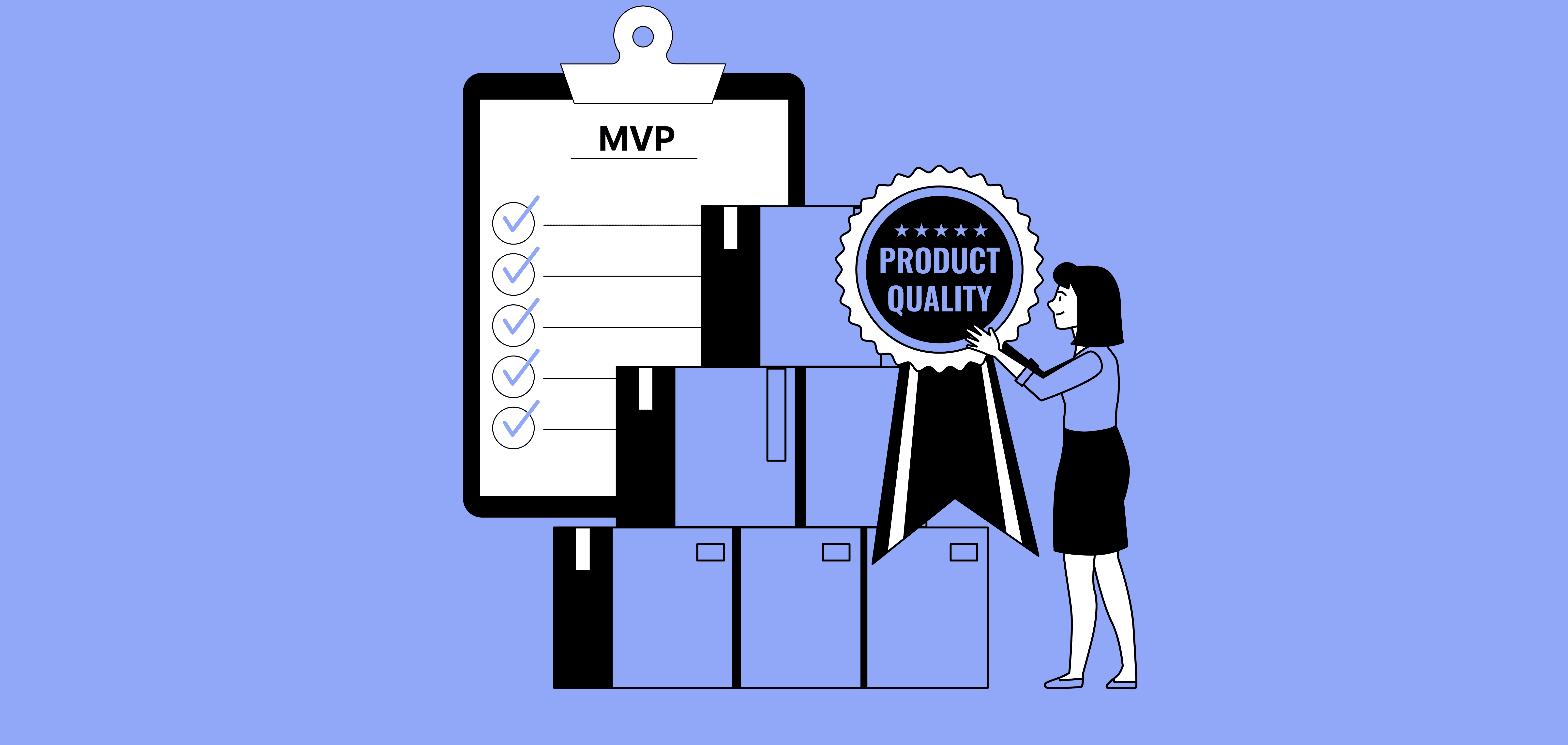
Phase 1: Build an MVP (Minimum Viable Product) Start with core features only. This tests the partnership with lower risk and investment.
Phase 2: Expand based on results If Phase 1 goes well, add more features. If not, you've learned this without committing your entire budget.
Phase 3: Full development Once the partnership proves itself, move forward with confidence on the complete vision.
This approach works well for mobile app development partners because it aligns incentives. Both sides want Phase 1 to succeed so they can work together on later phases.
How Deliverables Agency Approaches App Development Partnerships
At Deliverables Agency, we've seen countless partnerships succeed and fail. Our approach focuses on the factors that actually predict success.
We Start By Listening Not Selling
First conversations focus on understanding your business challenges, not pitching our services. We ask questions about:
What problem you're trying to solve
Who your users are and what they need
What constraints you're working within
What success looks like for your business
Sometimes the conversation reveals you don't actually need an app. Maybe a web application works better. Maybe your existing systems just need improvements. We tell you honestly even if it means less work for us.
This honesty builds trust. Clients know we care about solving their problem, not just collecting fees.
We Provide Realistic Timelines and Budgets
Building quality apps takes time. Rushing leads to technical debt and quality issues that cost more to fix later.
Our estimates factor in:
Requirements discovery and planning time
Design iterations and user testing
Development with proper testing practices
Security reviews and performance optimization
Bug fixing and refinement
App store submission and launch preparation
We'd rather lose a project by being honest about timelines than win it with unrealistic promises we can't keep.
We Communicate Constantly
Every client gets:
A dedicated project manager as their main contact
Weekly progress meetings with demos of working features
Access to project management tools to see task status
Quick responses to questions and concerns
Proactive updates about challenges or changes
Communication prevents surprises. When issues arise (and they always do), clients hear about them immediately along with our plan to address them.
We Build For Long Term Success
Apps aren't "done" at launch. They need ongoing updates for new device features, security patches, and user feedback.
Our software development services include:
Maintainable code with clear documentation
Knowledge transfer so you understand your own app
Training for your team on managing and updating the app
Flexible support options after launch
Scalable architecture that grows with your user base
We want clients to succeed years after we finish their project. That means building things right from the start.
Ready to discuss your app idea? Contact our team for a free consultation about your project needs.
Real Examples of App Development Partnerships Done Right
Theory helps, but real examples show how good partnerships actually work in practice.
Example 1: Healthcare Appointment Scheduling App
A medical practice group wanted an app for patients to book appointments, view test results, and message providers. They needed HIPAA compliance and integration with their existing EMR system.
What Went Right:
The development team spent the first three weeks just learning about healthcare workflows. They shadowed front desk staff, talked to doctors, and watched patients try to book appointments.
This research revealed the original requirements missed key features. Patients needed prescription refill requests. Staff needed no-show tracking. Doctors wanted quick patient history access.
The team rewrote requirements based on this research. Timeline increased from 4 months to 6 months. Cost went up by 30%. But the delivered app actually solved real problems instead of building what was originally imagined, while maintaining strict healthcare compliance standards throughout development.
Two years later, the practice group still works with the same development partner. Patient satisfaction scores increased 40%. No-show rates dropped 60%. Staff spends less time on phone scheduling.
The partnership succeeded because the development team focused on solving actual problems, not just building requested features.
Example 2: Food Delivery Startup
A startup founder wanted to compete with established delivery apps by focusing on local restaurants in suburban areas underserved by major players.
What Went Right:
The development agency proposed building an MVP with just restaurant ordering and basic delivery tracking. No fancy features. No bells and whistles. Just what was needed to validate the business model.
The founder wanted all the features big apps had: loyalty programs, restaurant ratings, real-time driver tracking, group ordering. The agency pushed back hard. "Build those later after you prove people actually use the basic version."
This conflict almost ended the partnership. But the founder listened to the experience and agreed to the MVP approach.
Launch happened in 8 weeks instead of the 6 months needed for the full vision. Cost was $25,000 instead of the $100,000+ estimated for everything.
The MVP revealed important insights. Users cared way more about delivery time accuracy than loyalty points. Restaurants needed simpler menu management tools. The initially planned social features got almost no use.
Based on these learnings, the full app looked different than originally imagined. Features were prioritized by actual user behavior, not guesses about what might be cool.
The startup now operates in 12 suburbs with steady revenue. The relationship with the development agency continues with monthly retainer work for ongoing improvements.
Example 3: Fitness Training Platform
A personal trainer wanted an app for custom workout programs, progress tracking, and client communication.
What Went Right:
The development team noticed the requirements described essentially a content management system with fitness-specific features. They proposed using an existing white-label platform as the foundation and customizing it heavily.
This approach cut development time from 9 months to 4 months and reduced cost by 60%. But it also meant some limitations in customization.
The client initially resisted. "I want my own custom platform, not something others use." The team explained the trade-offs: less uniqueness but faster and cheaper launch, with option to rebuild custom later if the business model proved successful.
The client agreed to try it. Launch happened in 4 months. Within 6 months, revenue exceeded projections. The trainer signed 200 clients paying monthly subscriptions.
Year two, they did rebuild custom. But now they had revenue to fund it and real user data to guide decisions. The custom rebuild cost more but delivered exactly what actual users wanted, not what was guessed initially.
This partnership succeeded because the development team challenged the initial approach and the client was flexible enough to listen.
Next Steps: Finding Your Right Mobile App Development Partner
Choosing the right app development partnership determines whether your app succeeds or fails. The decision deserves serious time and attention.
Start by defining exactly what you need. Clear requirements lead to accurate proposals and successful projects.
Research potential partners thoroughly. Look beyond marketing claims to actual portfolios, client testimonials, and communication quality.
Ask tough questions. The best partners welcome scrutiny because they have nothing to hide.
Trust both data and instinct. A partner might look perfect on paper but feel wrong in conversations. Both factors matter.
Remember that cheap and fast rarely leads to good results. Quality development costs real money and takes real time. Budget and timeline accordingly.
Ready to Start Your App Development Journey?
At Deliverables Agency, we've helped dozens of startups and established businesses bring their app ideas to life. Our team focuses on building apps that users actually love and businesses can scale. We'd love to discuss your project. No sales pitch. Just an honest conversation about what's possible, what it costs, and whether we're the right fit.
Some Topic Insights:
How much should app development cost for a startup?
Costs vary wildly based on complexity, but expect $10,000 to $150,000 for most startup apps. Simple apps with basic features start around $10,000. Apps with complex features, backend systems, and integrations can cost $100,000 or more. The key is matching budget to actual needs, not trying to build everything at once. Don't automatically choose the cheapest option. Factor in your time, risk tolerance, and opportunity cost of delays or quality issues.