

OUR METHODOLOGIES

OUR METHODOLOGIES

Engineering for Real Outcomes

Engineering for Real Outcomes

Our top 1% tech talent uses industry-standard methodologies to deliver robust, end-to-end solutions. We explain our process in simple terms because transparency builds trust.

Our top 1% tech talent uses industry-standard methodologies to deliver robust, end-to-end solutions. We explain our process in simple terms because transparency builds trust.

01. User-Centric

Design Thinking

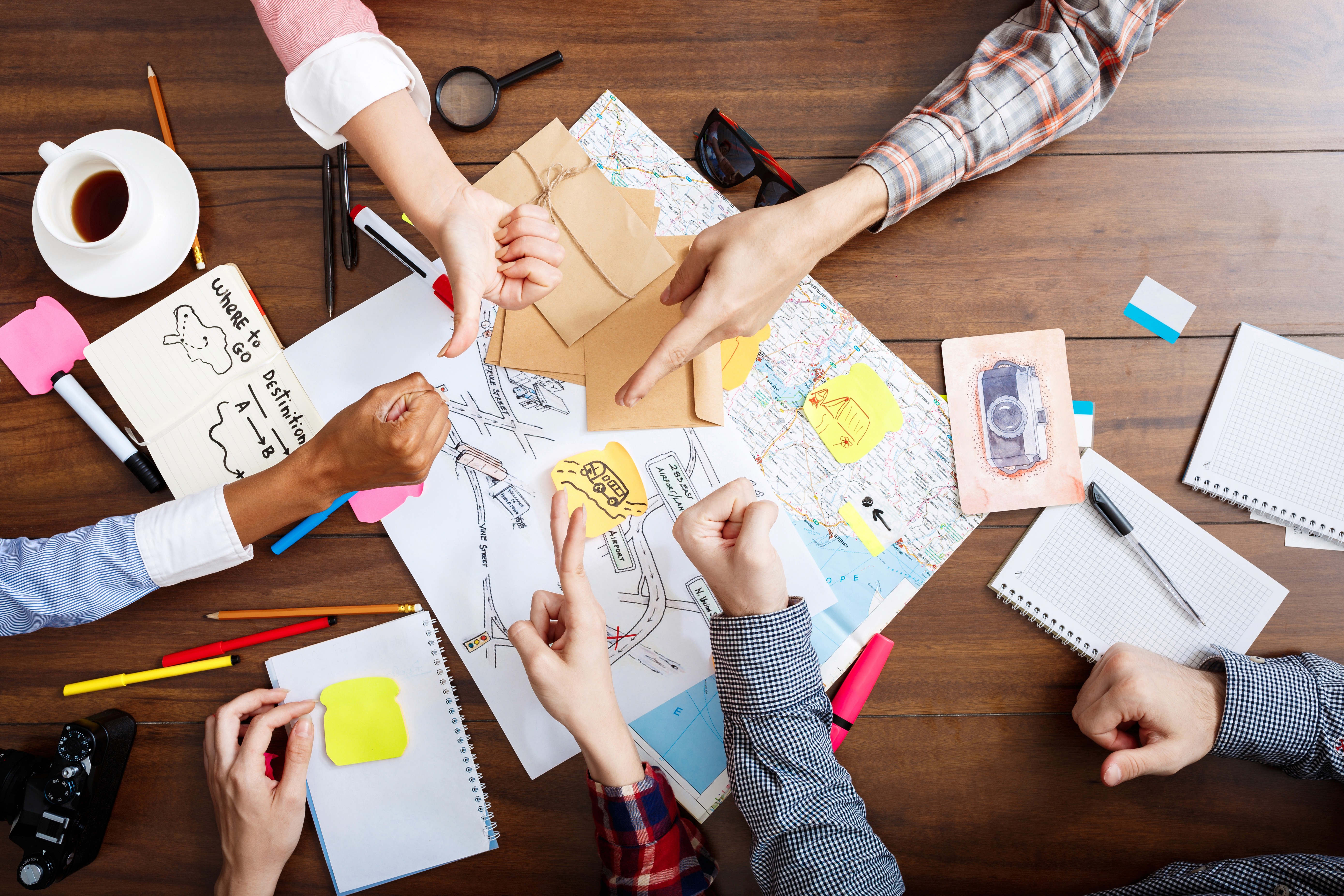
Design thinking is a human-first approach to innovation. We don't just guess what users want; we research, test, and validate. Everything we do starts with understanding the real problem.

Design thinking is a human-first approach to innovation. We don't just guess what users want; we research, test, and validate. Everything we do starts with understanding the real problem.

Our Process

1

Empathize

Empathize

Empathize

We research your users to understand their true needs and pain points.

2

Define

Define

Define

We clearly state the problem based on the data we collected.

3

Ideate

Ideate

Ideate

We brainstorm many creative solutions to explore all possibilities.

4

Prototype

Prototype

Prototype

We build a visual model of the solution to test how it works.

5

Test

Test

Test

We let real users try the prototype to see what works and what doesn't.

6

Iterate

Iterate

Iterate

We improve the design based on user feedback to make it perfect.
Best Practices We Implement

Best Practices We Implement

User-Centric Focus

User-Centric Focus

User-Centric Focus

We solve problems for people, not just for technology.

Collaborative Work

Collaborative Work

Collaborative Work

Designers and engineers brainstorm together.

Rapid Prototyping

Rapid Prototyping

Rapid Prototyping

We visualize ideas quickly to save time.

02. Flexible

02. Flexible

Agile Methodology

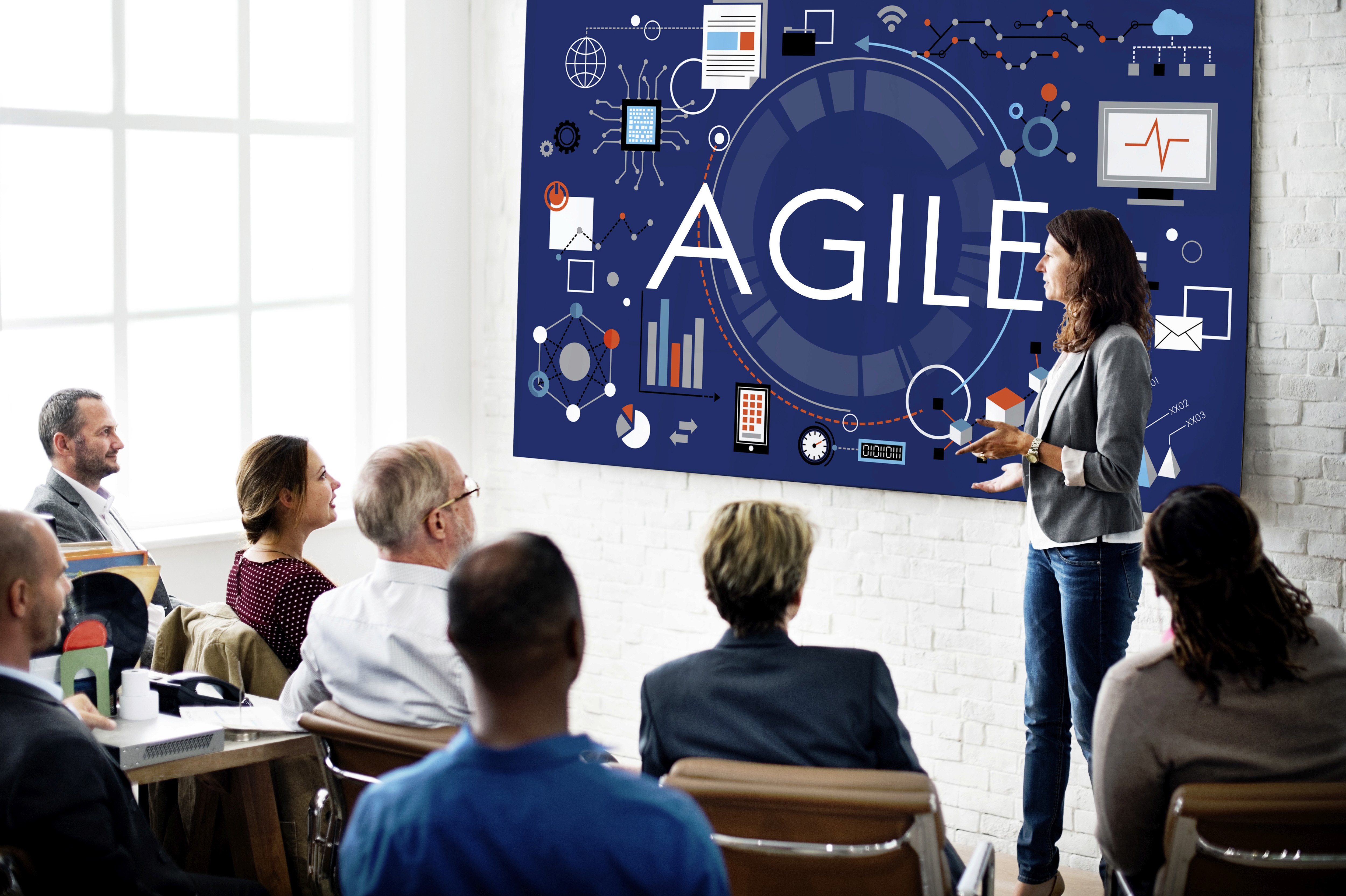
Agile is a way of building software that prioritizes speed and flexibility. Instead of building the whole product at once (which takes months), we build it in small, usable pieces. This allows us to change direction if your business needs change.

Agile is a way of building software that prioritizes speed and flexibility. Instead of building the whole product at once (which takes months), we build it in small, usable pieces. This allows us to change direction if your business needs change.

Our Process

Our Process

1

Requirement Gathering

Requirement Gathering

Requirement Gathering

We collect project goals and prioritize them by value.

2

Iteration Planning

Iteration Planning

Iteration Planning

We plan a short cycle (2 weeks) with clear goals for that period.

3

Development

Development

Development

We build the features, collaborating daily to ensure quality.

4

Testing

Testing

Testing

We test the new features immediately to ensure they work smoothly.

5

Review

Review

Review

We look at progress and adapt the plan based on results.

6

Deployment

Deployment

Deployment

We release the updates and listen to feedback for the next round.
Best Practices We Implement

Best Practices We Implement

Continuous Updates

Continuous Updates

Continuous Updates

Regular releases keep the product improving.

Feedback Loops

Feedback Loops

Feedback Loops

We listen to stakeholders constantly.

Automated Testing

Automated Testing

Automated Testing

Robots test the code to catch bugs fast.

03. Structured

03. Structured

Scrum Framework

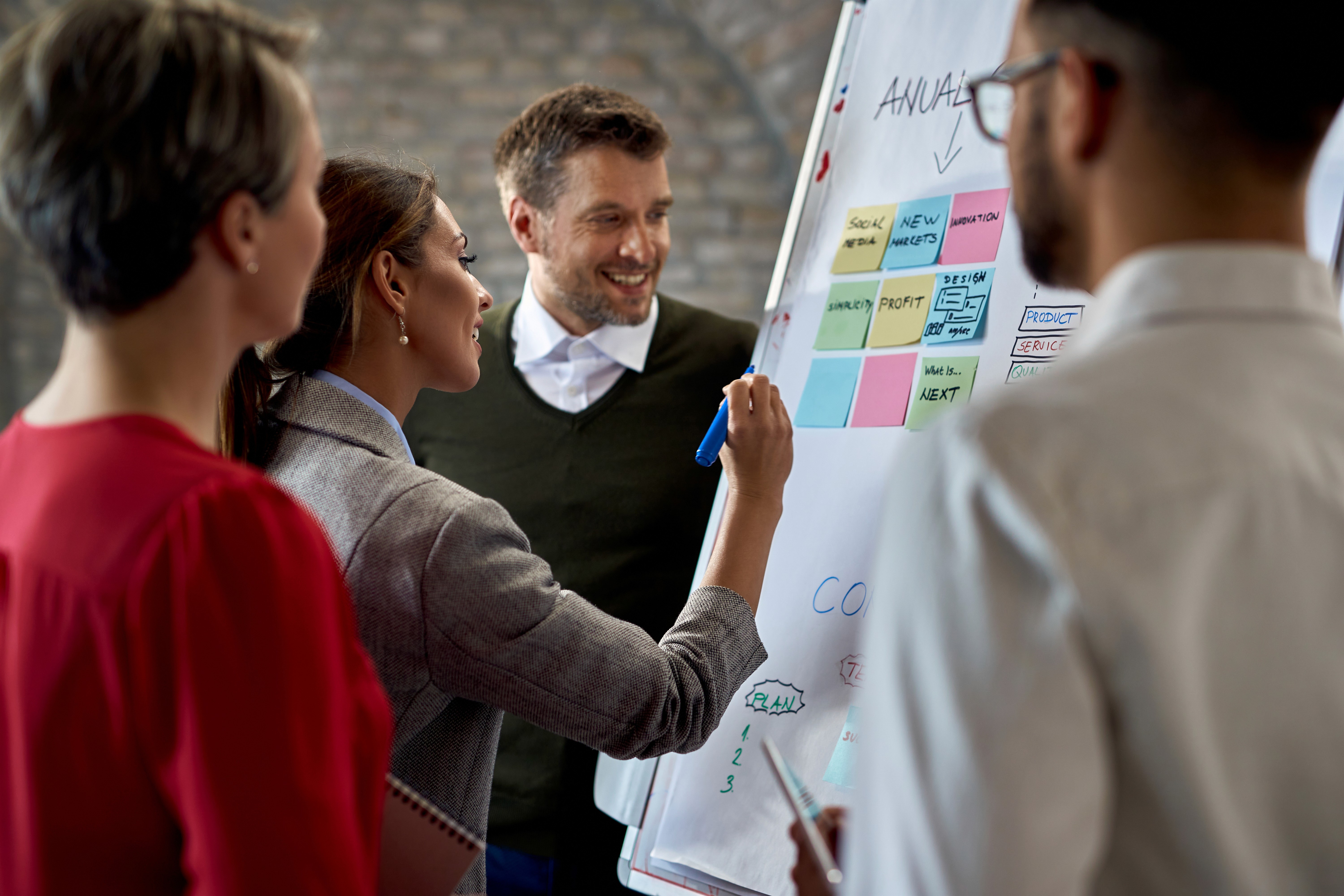
Scrum is a specific type of Agile. It provides the strict structure we use to manage complex projects. We work in "Sprints" (usually 2 weeks) to ensure we are always delivering finished work.

Scrum is a specific type of Agile. It provides the strict structure we use to manage complex projects. We work in "Sprints" (usually 2 weeks) to ensure we are always delivering finished work.

Our Process

Our Process

1

Backlog Creation

Backlog Creation

Backlog Creation

We make a master list of everything that needs to be built.

2

Sprint Planning

Sprint Planning

Sprint Planning

We choose the top items from the list to build in the next 2 weeks.

3

The Sprint

The Sprint

The Sprint

The team focuses 100% on completing the selected tasks.

4

Daily Standup

Daily Standup

Daily Standup

A 15-minute daily meeting to align on progress and fix blockers.

5

Sprint Review

Sprint Review

Sprint Review

We demonstrate the working software to you.

6

Retrospective

Retrospective

Retrospective

The team discusses what went well and improves for next time.
Best Practices We Implement

Best Practices We Implement

Definition of Done

Definition of Done

Definition of Done

We agree on exactly when a task is "finished".

Time-Boxing

Time-Boxing

Time-Boxing

We stick to the schedule strictly.

Modular Design

Modular Design

Modular Design

Building software in manageable units.

04. Automation

04. Automation

DevOps

DevOps connects Development (coding) with Operations (servers). It uses automation to make updates faster and safer. This ensures your app doesn't crash when we add new features.

DevOps connects Development (coding) with Operations (servers). It uses automation to make updates faster and safer. This ensures your app doesn't crash when we add new features.

Our Process

Our Process

1

Planning

Planning

Planning

We define requirements for both code and server infrastructure.

2

Code Development

Code Development

Code Development

Writing code using version control to track every change.

3

Continuous Integration

Continuous Integration

Continuous Integration

Merging code regularly and automatically testing it.

4

Deployment

Deployment

Deployment

Using automated tools to push the code live instantly.

5

Monitoring

Monitoring

Monitoring

Tracking system performance to catch issues before users do.

6

Automation

Automation

Automation

Continuously automating repetitive tasks to save costs.

Best Practices We Implement

Best Practices We Implement

Infrastructure as Code

Infrastructure as Code

Infrastructure as Code

Managing servers via code for consistency.

CI/CD Pipelines

CI/CD Pipelines

CI/CD Pipelines

Automating the path from coding to launch.

Real-time Monitoring

Real-time Monitoring

Real-time Monitoring

Watching performance 24/7.

05. Efficiency

05. Efficiency

Lean Methodology

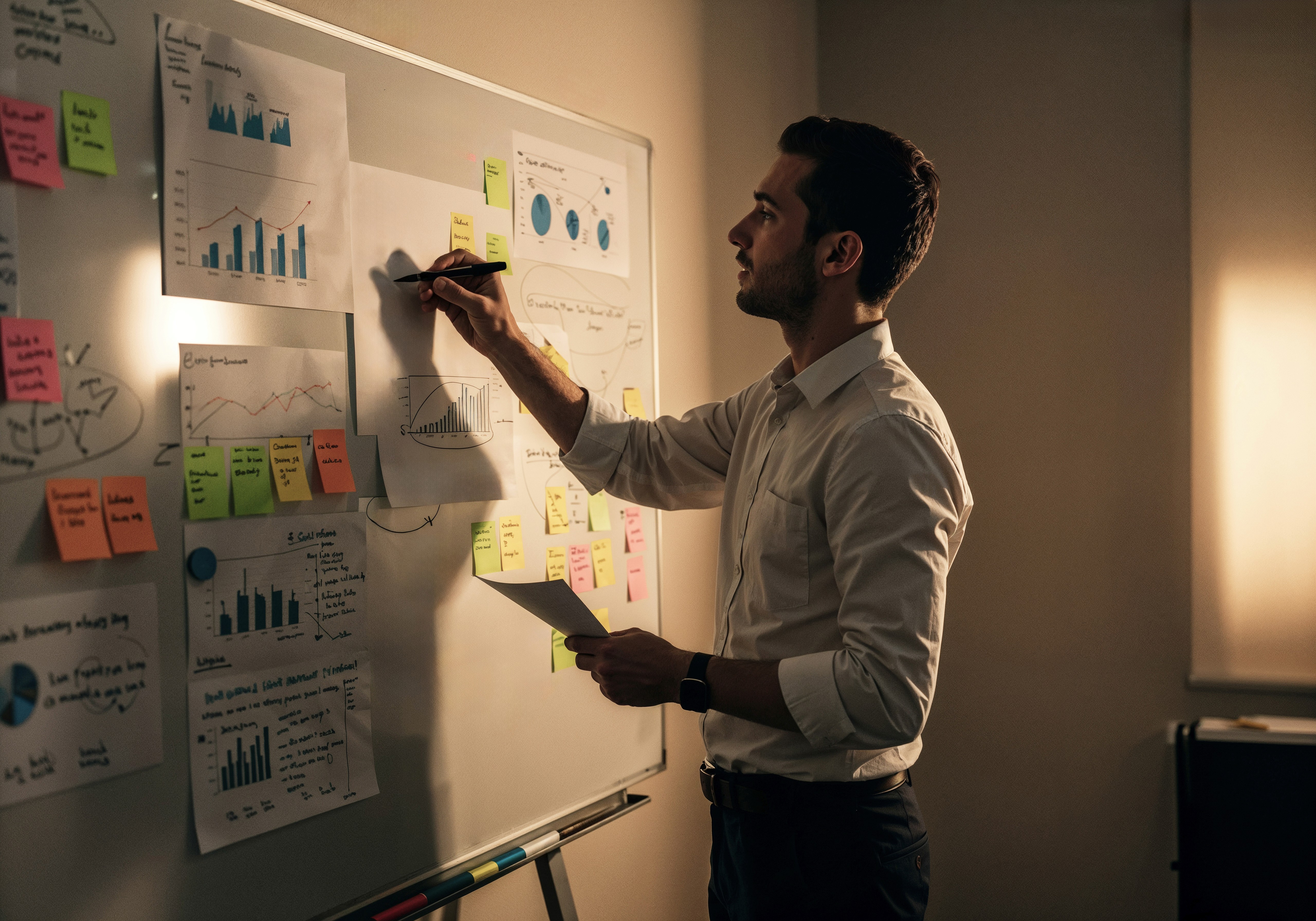
Lean focuses on one thing: eliminating waste. If a step doesn't add value to your customers, we remove it. This maximizes your budget and efficiency.

Lean focuses on one thing: eliminating waste. If a step doesn't add value to your customers, we remove it. This maximizes your budget and efficiency.

Our Process

Our Process

1

Identify Value

Identify Value

Identify Value

Determine what is actually valuable to the customer.

2

Map Value Stream

Map Value Stream

Map Value Stream

Look at our process and find wasteful steps.

3

Create Flow

Create Flow

Create Flow

Establish a smooth, uninterrupted workflow.

4

Establish Pull

Establish Pull

Establish Pull

Let customer demand dictate when we build features.

5

Deliver Fast

Deliver Fast

Deliver Fast

Get the product to market quickly.

6

Improve

Improve

Improve

Continuously look for ways to be more efficient.
Best Practices We Implement

Best Practices We Implement

Eliminate Waste

Eliminate Waste

Eliminate Waste

Removing unnecessary meetings and tasks.

Built-in Quality

Built-in Quality

Built-in Quality

Testing during development, not after.

Empower Teams

Empower Teams

Empower Teams

Experts make decisions, not managers.

06. Speed

06. Speed

RAD & Prototyping

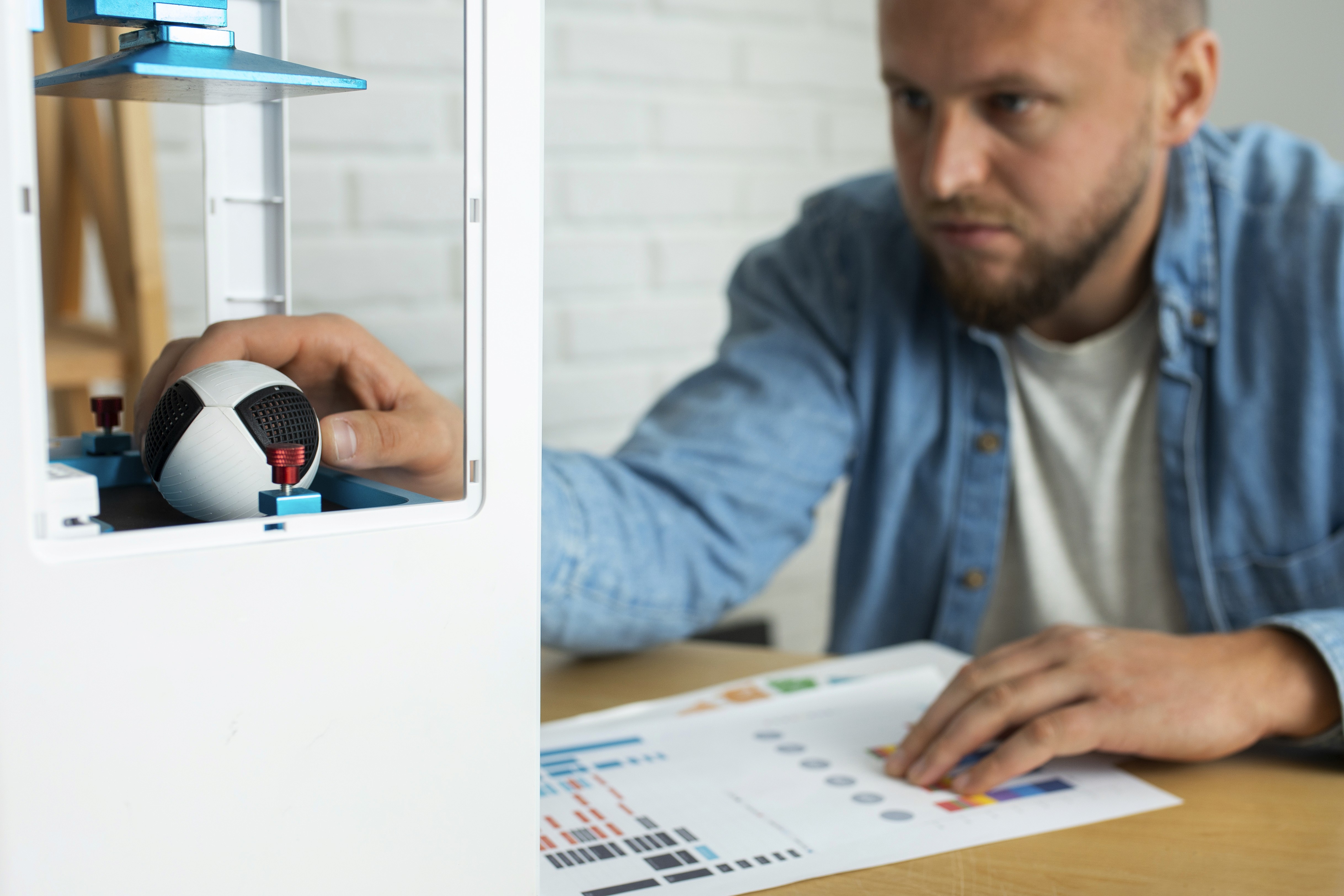
Rapid Application Development (RAD) is about building quickly through prototypes. We build a preliminary version, you give feedback, and we refine it. This is perfect for startups with changing requirements.

Rapid Application Development (RAD) is about building quickly through prototypes. We build a preliminary version, you give feedback, and we refine it. This is perfect for startups with changing requirements.

Our Process

Our Process

1

Requirements

Requirements

Requirements

We identify the basic goals of the project.

2

Prototype

Prototype

Prototype

We build a quick, visual version of the features.

3

User Evaluation

User Evaluation

User Evaluation

You and your users test the prototype.

4

Refinement

Refinement

Refinement

We adjust the app based on your direct feedback.

5

Iterate

Iterate

Iterate

We repeat this cycle until the product is perfect.

6

Final Launch

Final Launch

Final Launch

We polish the code and launch the final version.
Best Practices We Implement

Best Practices We Implement

Flexible Planning

Flexible Planning

Flexible Planning

Easy to pivot if requirements change.

User Involvement

User Involvement

User Involvement

You are involved in every step.

Modular Design

Modular Design

Modular Design

Easy to make changes to specific parts.

Ready to build?

Ready to Build?

Ready to Build?

Ready to Build?

Partner with a team that values your outcome as much as you do.

These tools provide great estimates but nothing beats a conversation with an expert. If you are ready to move forward please contact the team at Deliverables Agency today.

These tools provide great estimates but nothing beats a conversation with an expert. If you are ready to move forward please contact the team at Deliverables Agency today.

These tools provide great estimates but nothing beats a conversation with an expert. If you are ready to move forward please contact the team at Deliverables Agency today.